Supporting LGBTQIA+ People
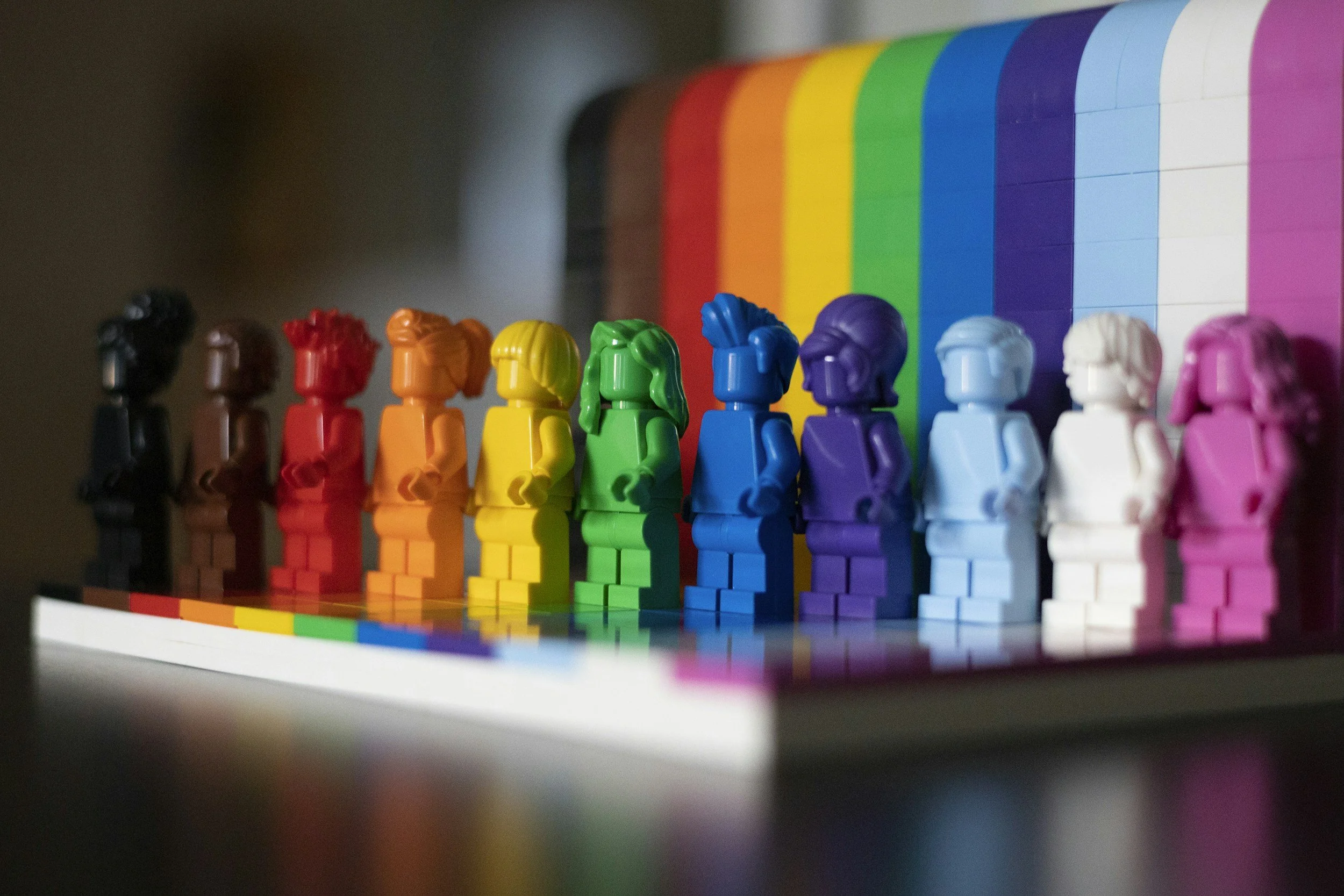
In a world built around heterosexual norms and values, I can help you disregard the parts that don’t apply to you and lean into the parts that do. My clinical work with lesbian, gay, transgender, bisexual, queer, intersex and asexual people is deeply influenced by the two decades I spent working in the LGBTQIA+ civil rights movement. Working with thousands of LGBTQIA+ people helped me understand the effects of societal intolerance and violence (e.g., homophobia, transphobia, sexism, misogyny), on individuals and communities. Providing therapy to members of the LGBTQIA+ communities for the past eight years has honed my ability to understand your specific experiences and help you live a powerfully authentic life.
Here are some examples of topics and issues I’ve worked on with my LGBTQIA+ clients:
-
I’m treated differently due to my sexual orientation and/or gender identity.
I experience(d) anti-LGBTQIA+ harassment, discrimination, and/or violence and I need help moving forward.
I hear anti-LGBTQIA+ news and commentary on the news every day and it’s having a negative impact on me.
I’m tired of dealing with a homophobic family member and need help deciding what my boundaries should be and how to enforce them.
-
I want to come out about something (being gay, being trans, being nonbinary, being asexual, being kinky, being a bear, being poly) and I need help making my plan.
The sex I was assigned at birth doesn’t match my true gender.
The sex I was assigned at birth DOES match my gender but people don’t like how feminine / masculine / nonbinary I am.
-
I want to talk to my partner about opening up our relationship but I’m not sure how to do it.
My partner wants to open up our relationship and I’m not sure if I want to.
Sometimes my partner doesn’t treat me right and I’m not sure how to discuss that with them.
I want to break up with my partner but I’m not sure if and how to do it.
I’m having a hard time finding dates or a long-term relationship. I’m scared that I’m never going to meet a partner and that I’ll be alone.
-
I thought joining [the gay community, the bear community, the leather community, other communities] was going to feel good for me, but…
I think about sex a lot. Is that normal?
I don’t think about sex as much as other people. Is that normal?
I’m an LGBTQIA+ person of color and I experience racism in the LGBTQIA+ community. What do I do?
I’m a person of size and experience discrimination and/or body-shaming in LGBTQIA+ communities.
I’m a neurodivergent person and sometimes it’s hard for me to physically and mentally be in LGBTQIA+ spaces.
-
There is non-stop anti-trans news coming at me every day and it’s having a negative impact on me.
Anti-trans and anti-binary government actions are adversely affecting me. I don’t feel safe.
I need to process a bad experience I had when I was seeking and/or receiving gender-affirming care.
I need help figuring out how to tell my partner that I’m trans or nonbinary.
My partner just came out as trans and I need help figuring out what this means for us.
My child just came out as trans or nonbinary. I want to be supportive but I need to sort through my feelings about it.
-
I’m concerned about how much I use a substance and want to explore my options.
I don’t know how to be LGBTQIA+ at my current age. Stuff I used to do isn’t as fun or fulfilling as it used to be.
I want to try out something kinky. Why do I want this? How can I explore it while keeping myself safe?
What about straight people?
A therapist’s identities and sexuality aren’t always relevant when seeking the best outcomes for a client. Sometimes, though, they are.
My work experience with folks of various genders, both queer and straight, makes me a great resource for some straight clients. While issues like gender, sexism, misogyny, toxic masculinity, power, and shame aren’t solely “straight people problems,” I’ve helped many heterosexual-identified clients to better understand and address how these issues influence and affect them.
I may be able to leverage my queer perspective to shed new light on your heterosexual life. For example, many of my straight, bi, and pansexual women clients appreciated my insights about how men think, feel and behave. For some, my experience as a man seeking romantic relationships with men led to new insights about how they wanted to pursue their own relationships with men.
If you’re unsure about whether a queer therapist might be helpful for you, I encourage you to reach out to schedule a free 15-minute consultation.