Navigating Illness & Disability
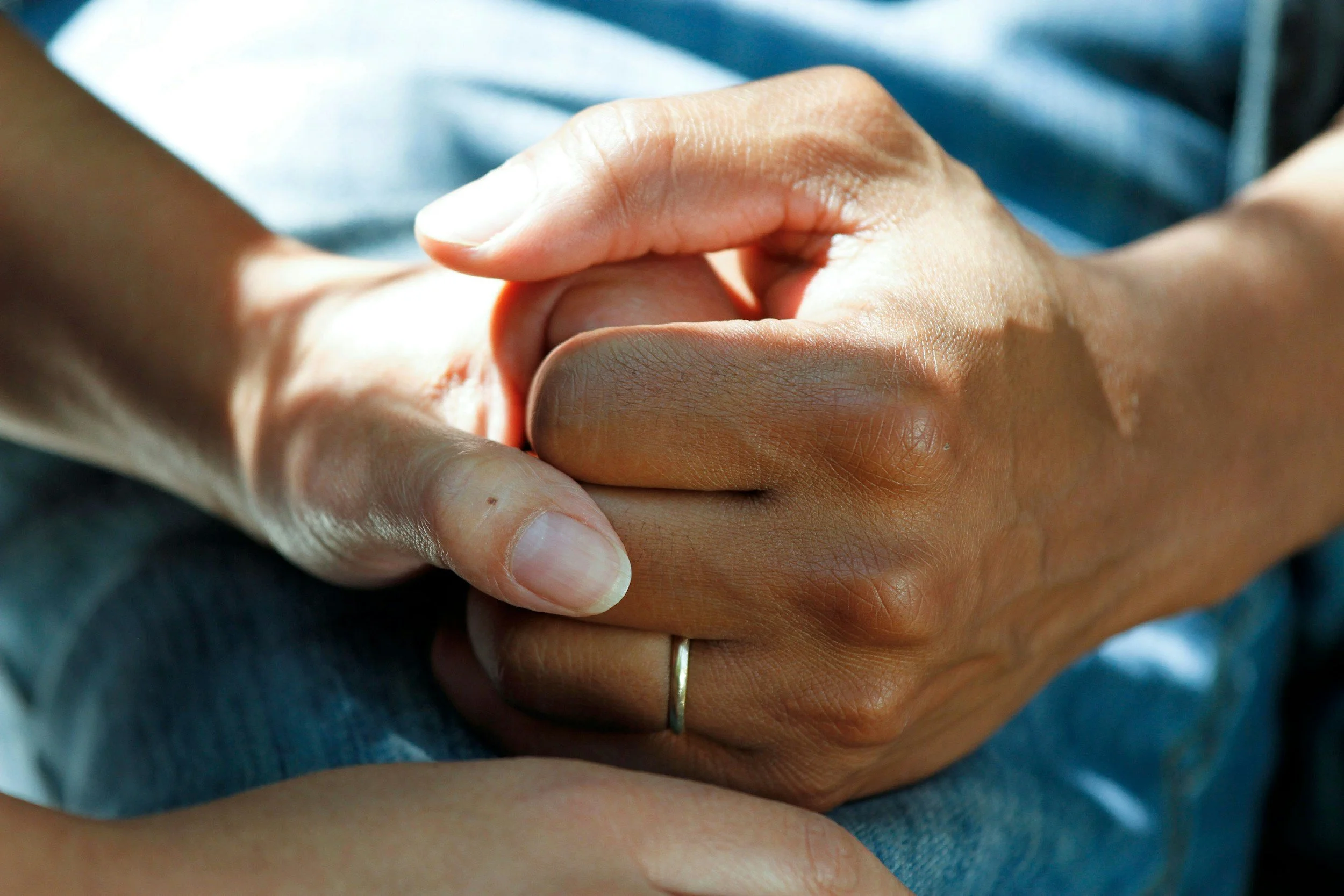
My mother was diagnosed with multiple sclerosis when I was six years old. Watching her process the impact of her illness and continue to live a full life taught me about disability, depression, perseverance, life, and death. The way that my family responded to my mother’s disability taught me about anxiety, communication, love, and support. Growing up with a mom who used a wheelchair and who was legally blind taught me about how those who are different can face and deal with ignorance, discrimination, and isolation.
I’ve also spent a significant portion of my clinical career working with long term survivors of HIV. The epidemic brought stigma, the loss of thousands of our friends, survivor’s guilt, and early medications that took a physical toll. Our government’s homophobic and heartless (lack of) response to the epidemic made living with illness even more difficult and decimated LGBTQIA+ communities. When survivors were told that they had only a few months or years to live, they made life decisions accordingly. However, when long term survivors beat the odds, they faced unexpected consequences in midlife. Working alongside long term survivors has shaped my understanding of trauma-informed care, the importance of holistic and multidisciplinary support, and the need to honor both the medical and psychosocial dimensions of long-term survival.
I create a safe, respectful space where clients can process their experiences living with a chronic illness or disability. I take a holistic approach: we’ll look at your emotional well-being, physical health, relationships, identity, and daily functioning. I can help you process grief, frustration, or changes in independence. I can help you build coping skills, set realistic goals, and collaborate with medical providers or caregivers.
I also work with caregivers to provide a supportive space where they can process the emotional, physical, and mental demands of their role. Together, we can explore stress management strategies, healthy boundaries, and practical coping tools that help prevent burnout while honoring your commitment to a loved one. I also help caregivers reconnect with their own needs, identity, and well-being so they can sustain their care with balance and compassion.